Halfway Point
Group Show
C3 Studios, Rotterdam
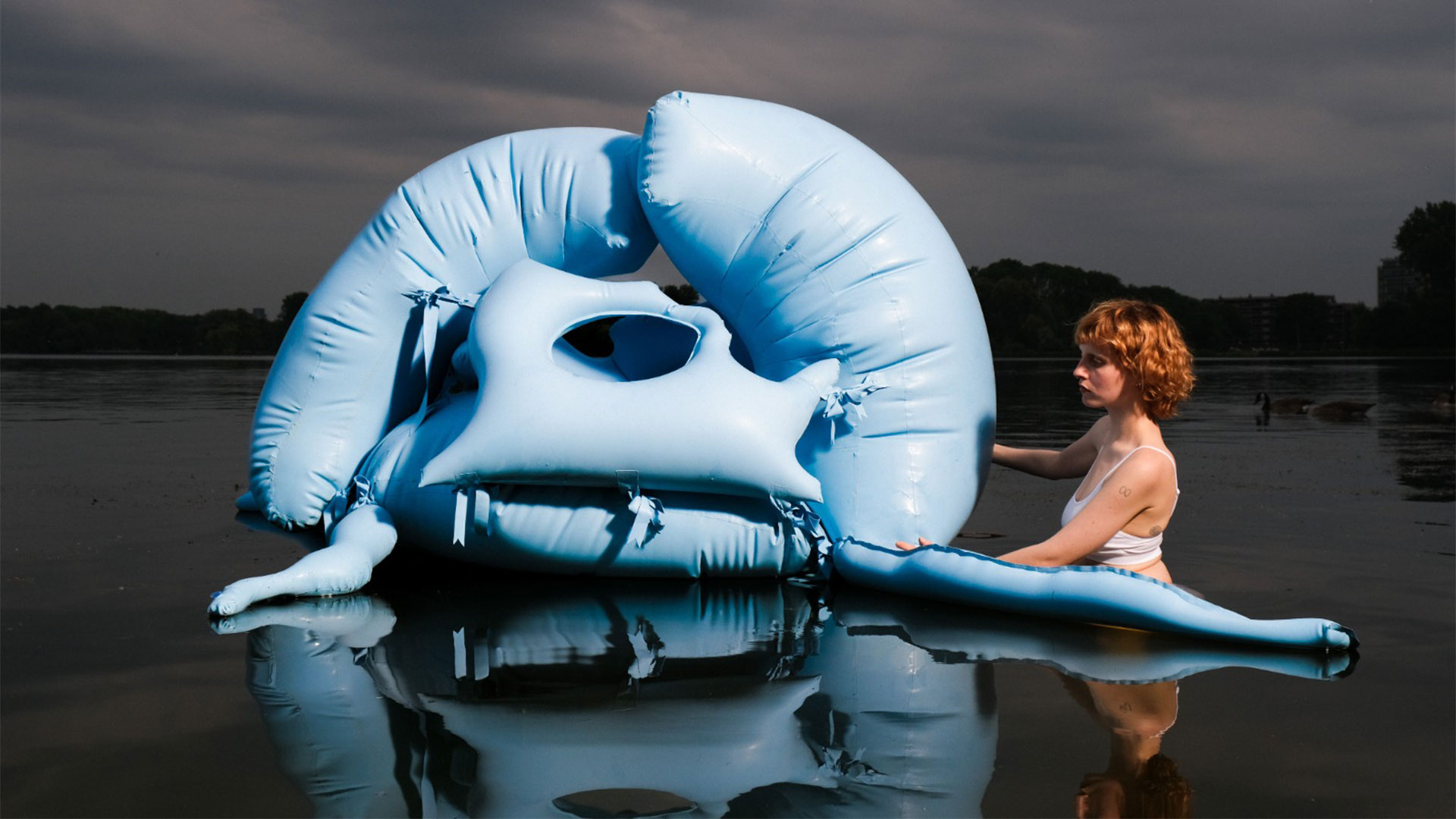
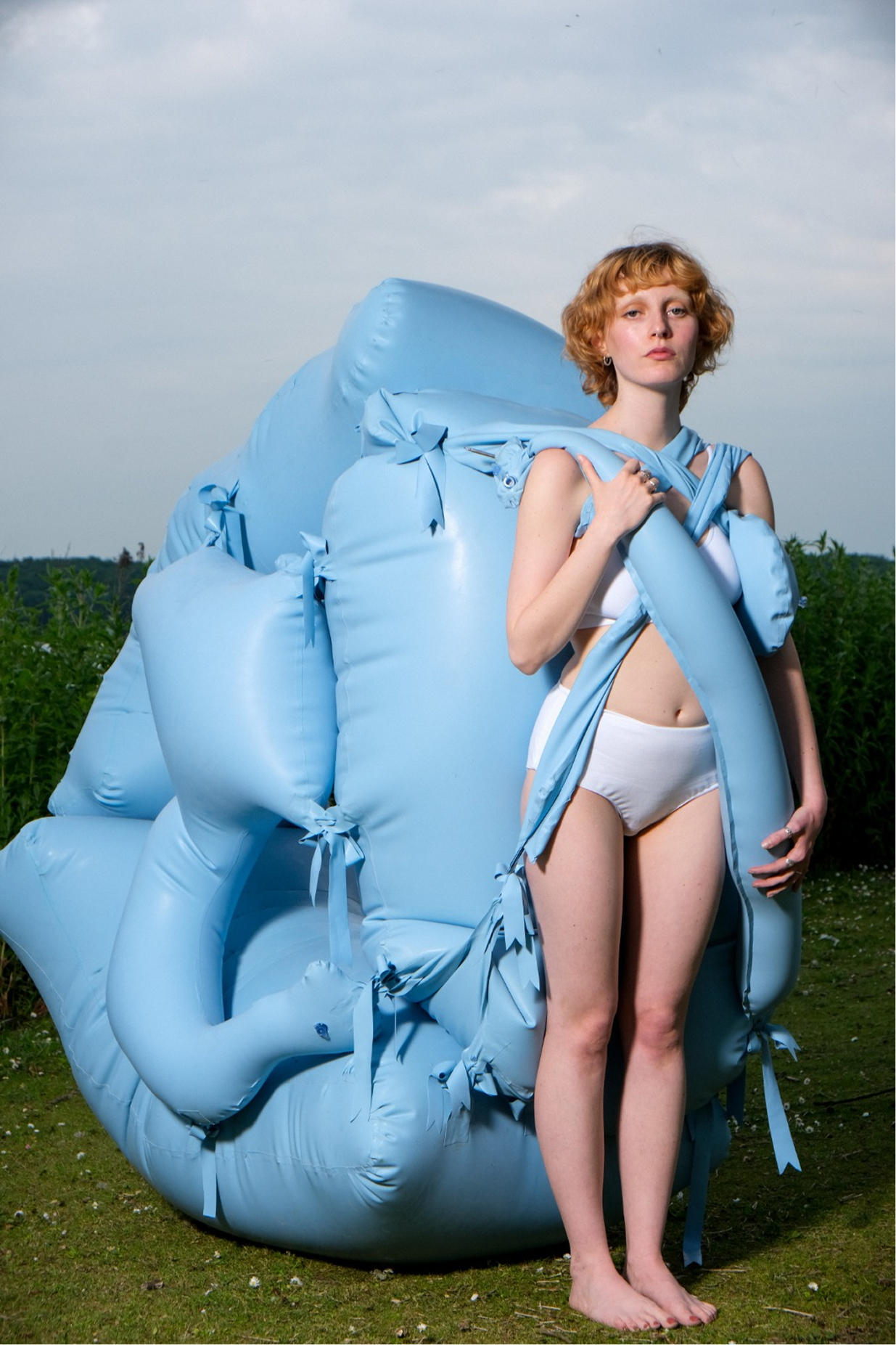
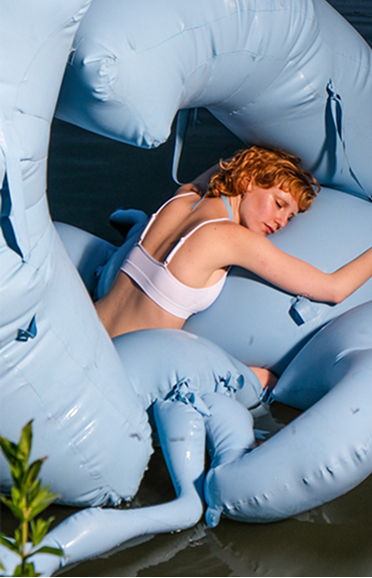
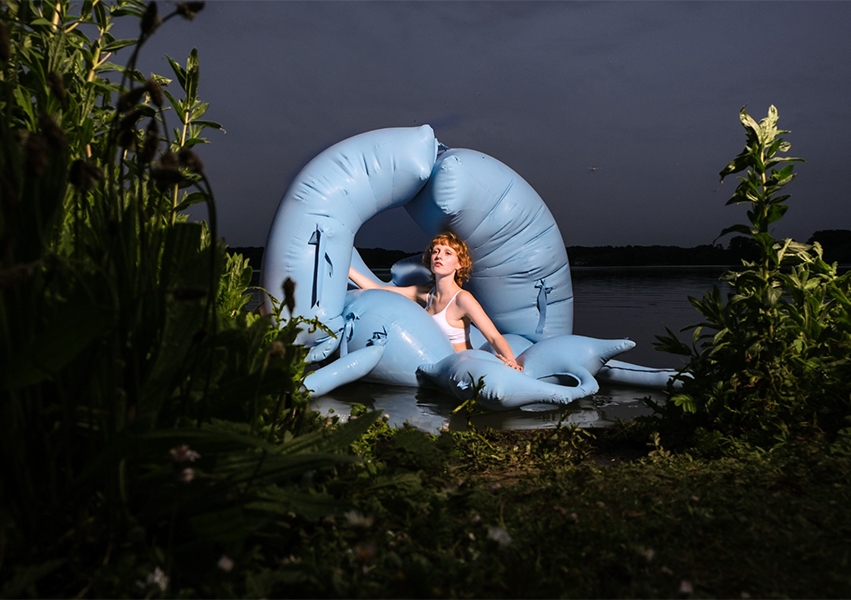
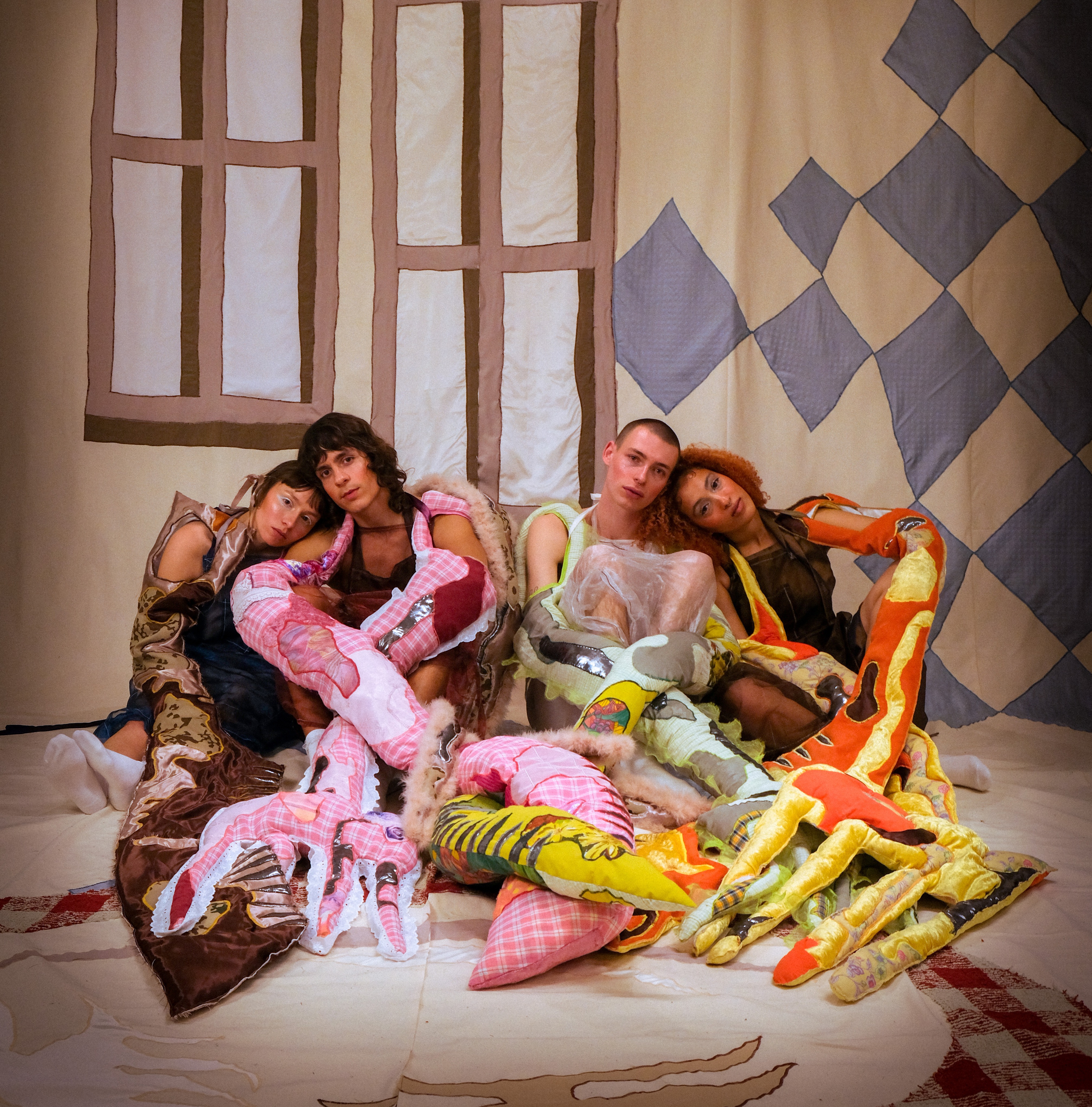
Rooted in historical painting, myth and narrative, ‘When the World Ends Only Babies Should Float’ imagines a survival pod for the innocent to outlive the world as it descends into ecological chaos. Based on the so-called survival of a baby ‘Beatrix de Rijke’ during the 1421 Sint Elizabethan flood of the Biesbosch National Park, this work looks for a way to offer care to a future generation facing climate collapse. The part crib, part life-vest, part wearable home becomes a companion, the user breathes life into the pod by inflating it and in return the pod holds and cares for its user. By embodying protection in soft, creaturely form, it reflects on the strange acceptance of the climate crisis in our collective imagination, asking what survival might mean if tenderness, rather than control, were our guiding perspectives.
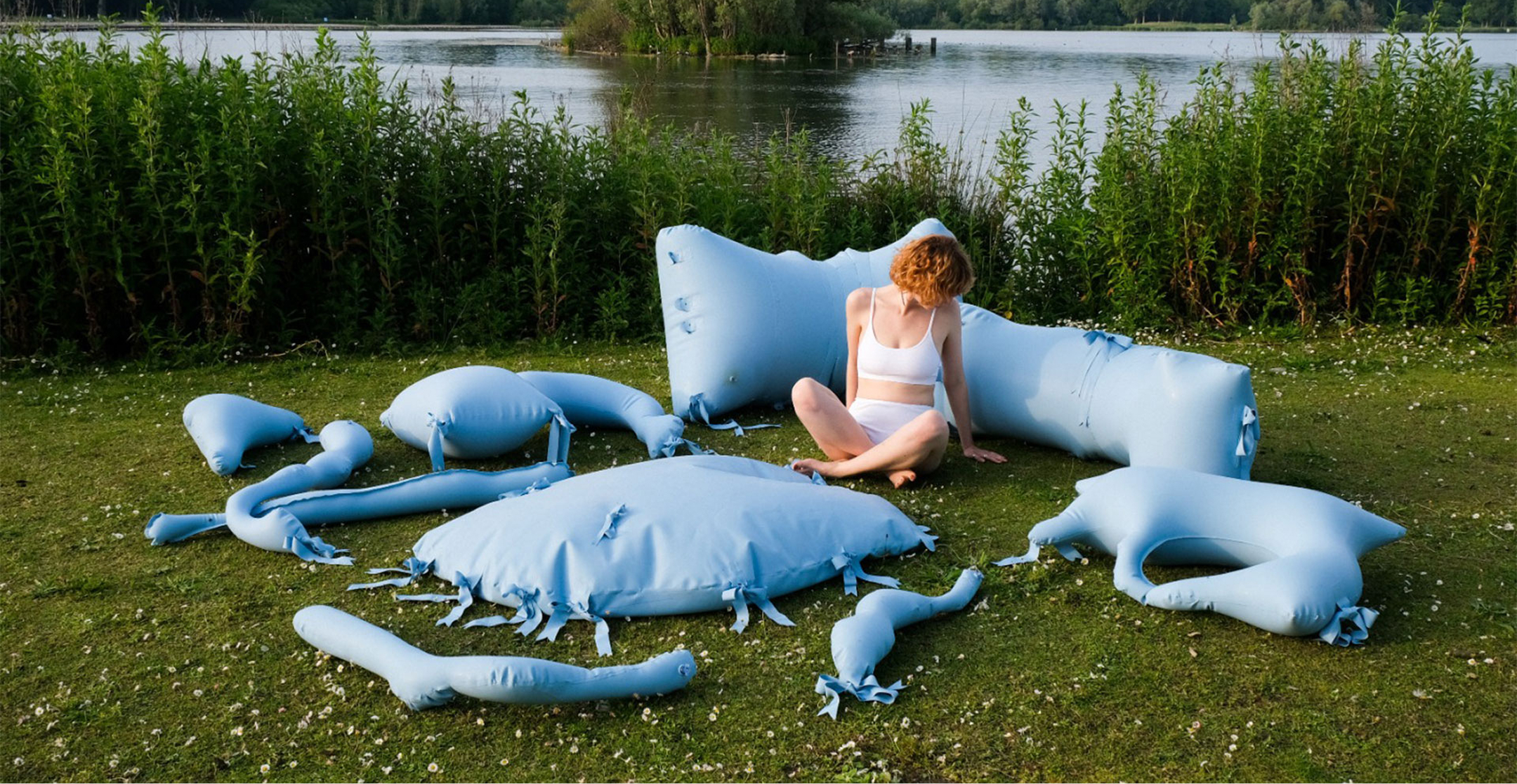
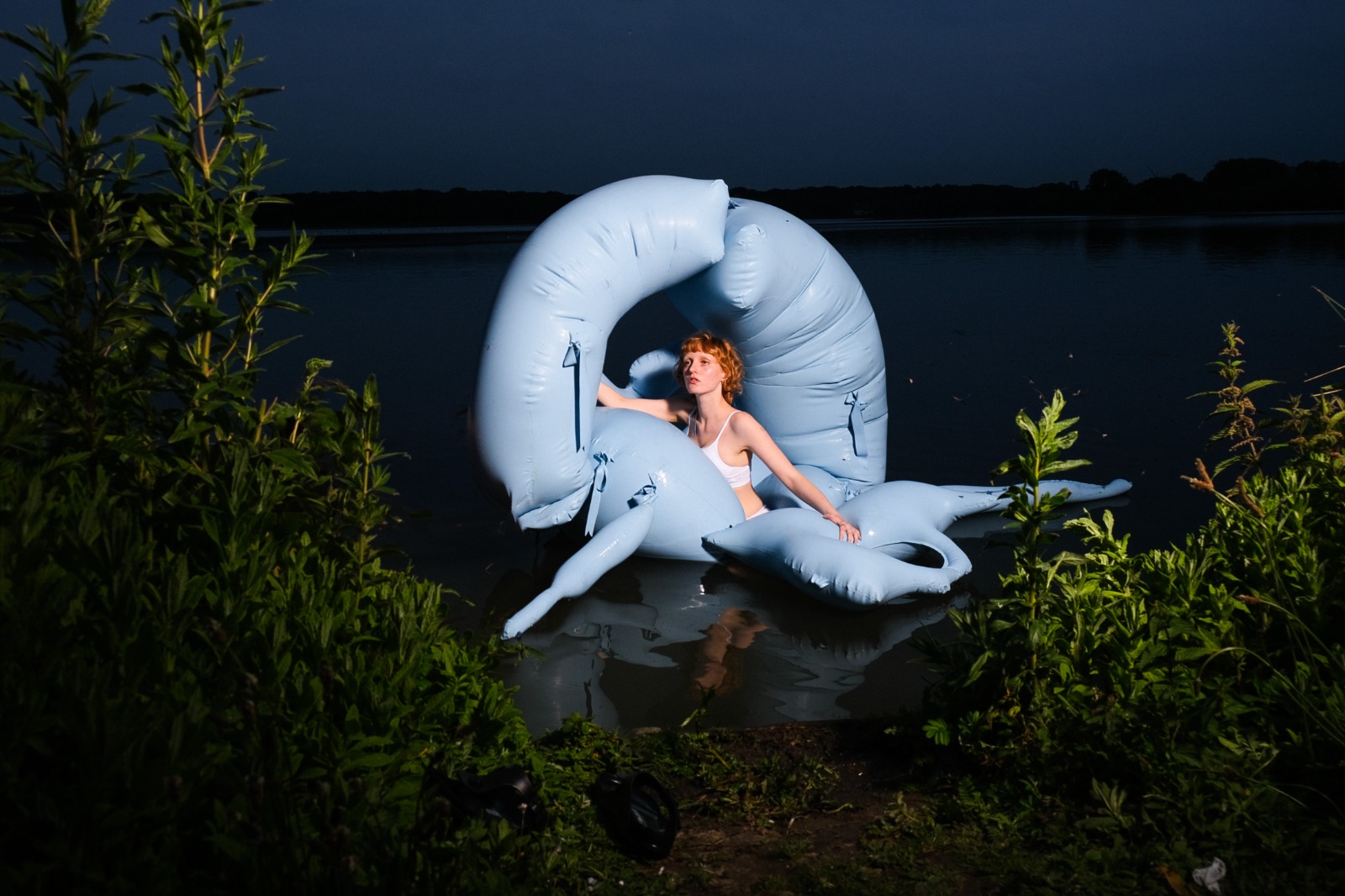
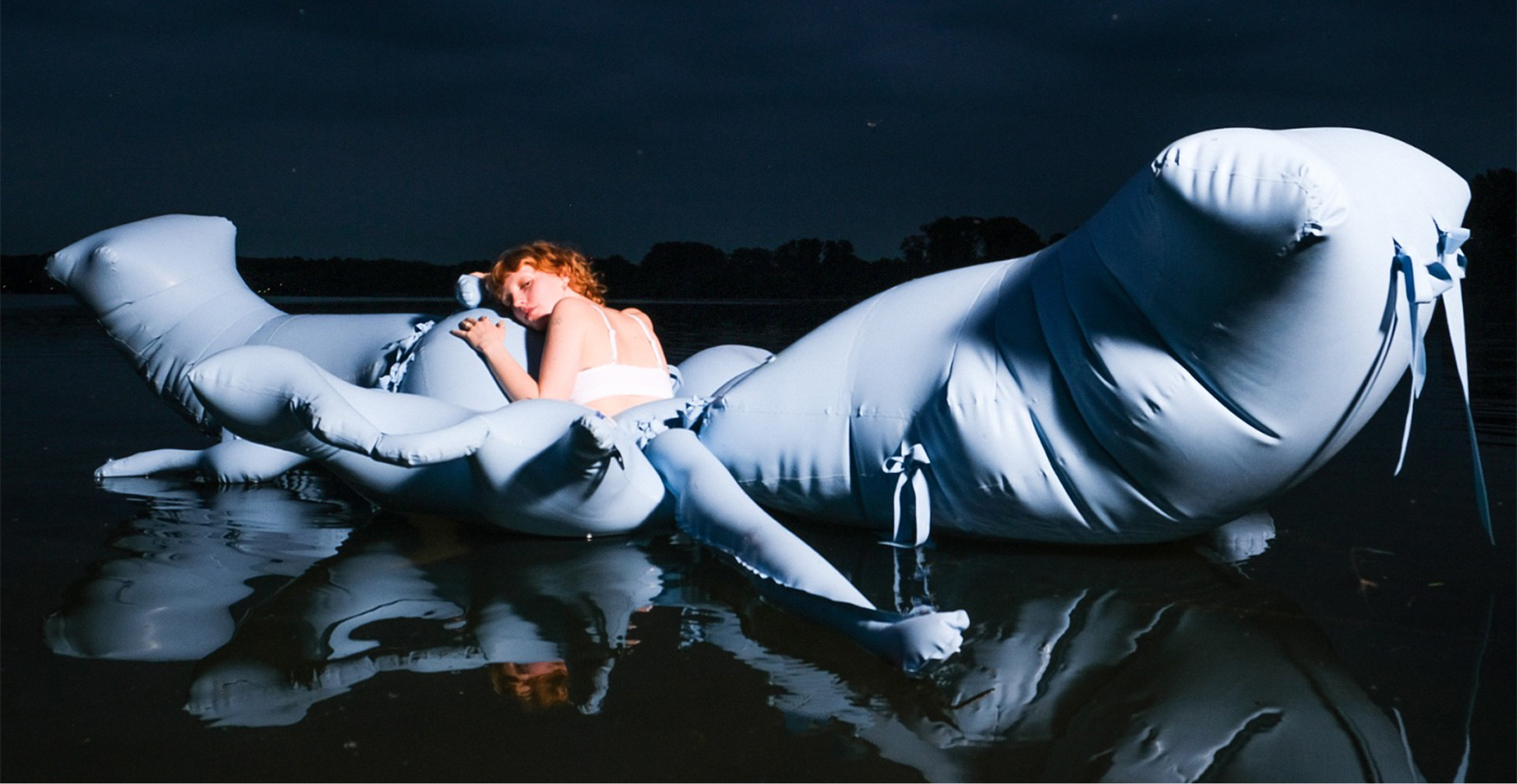
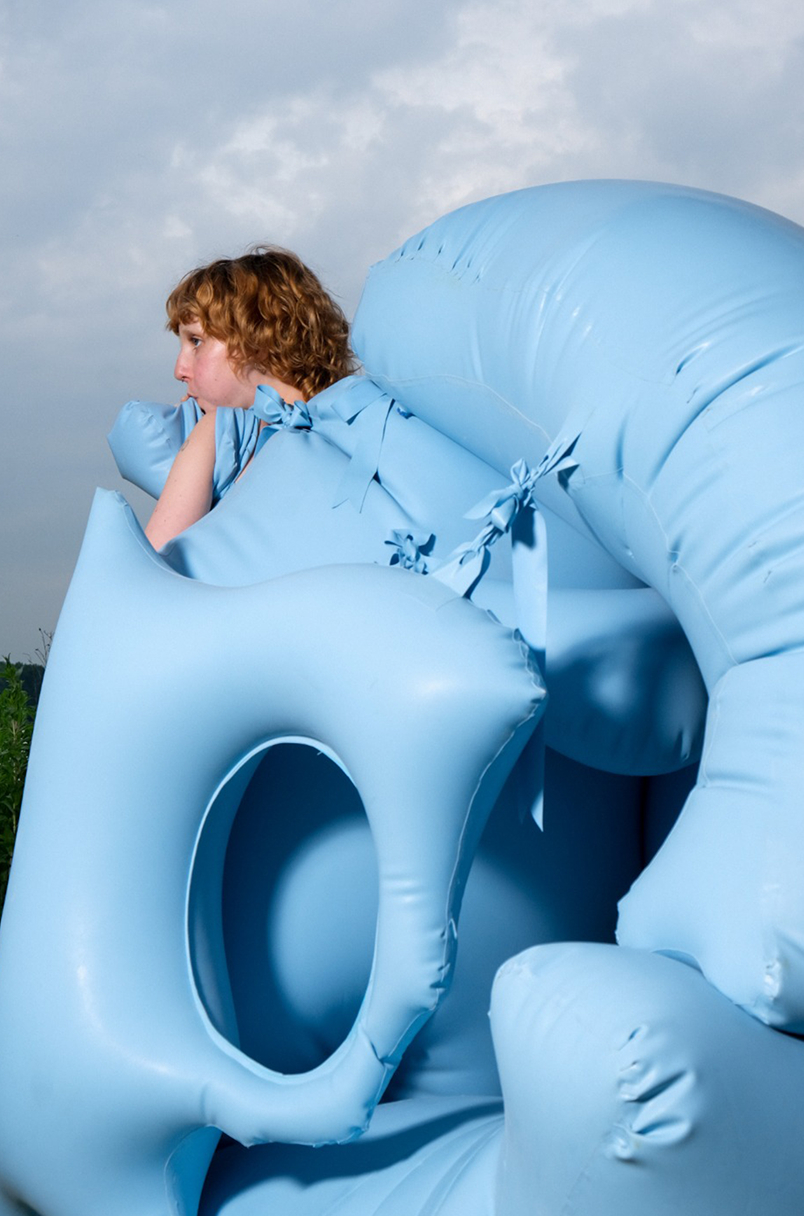
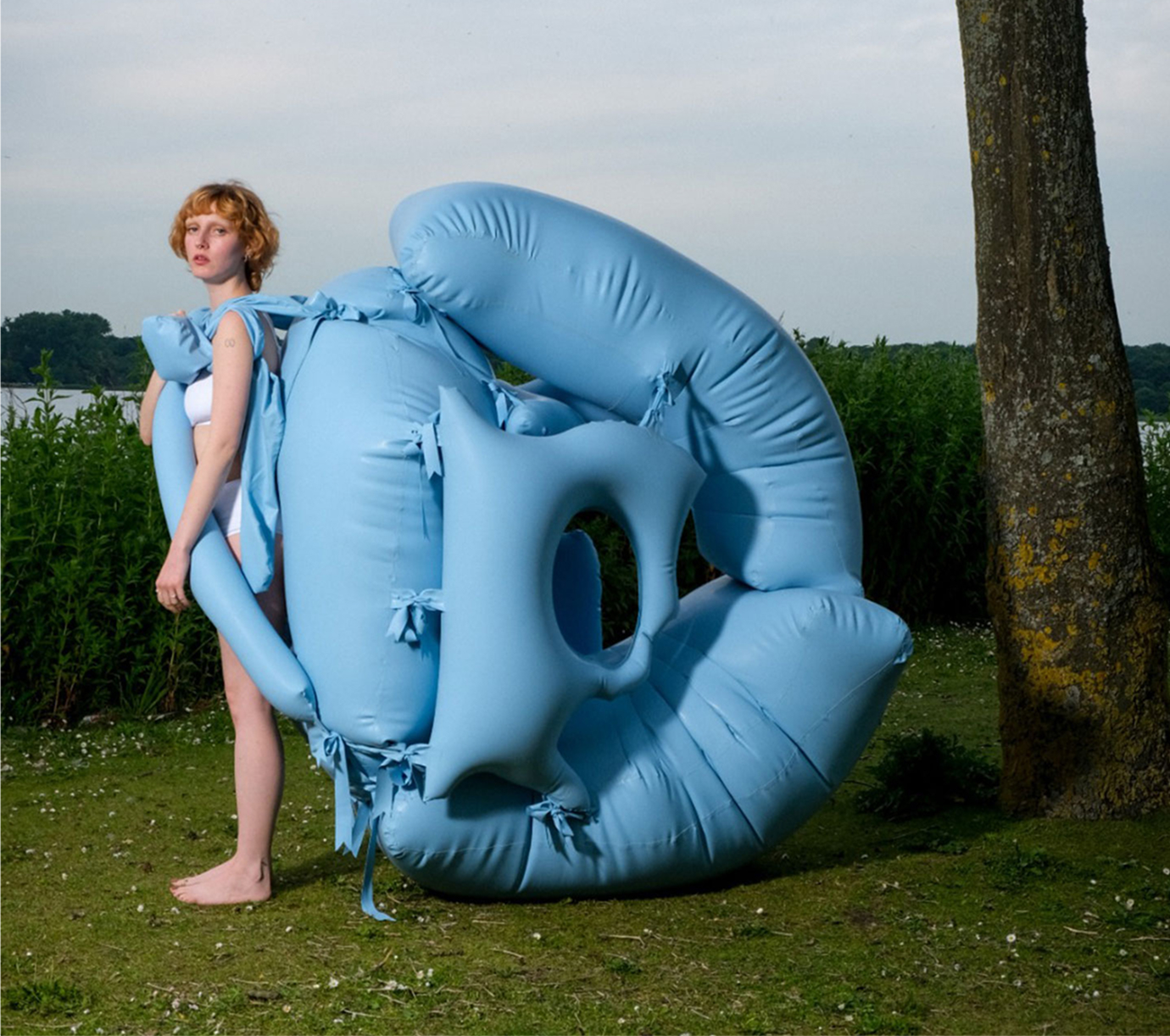
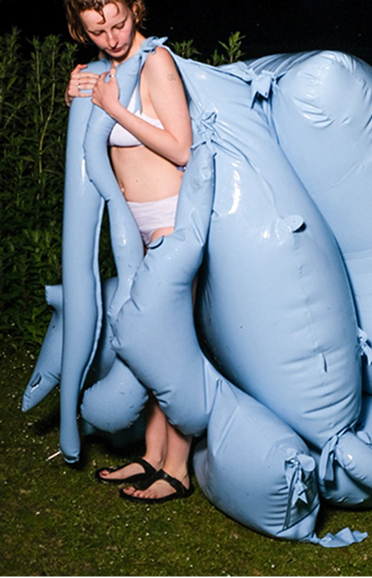
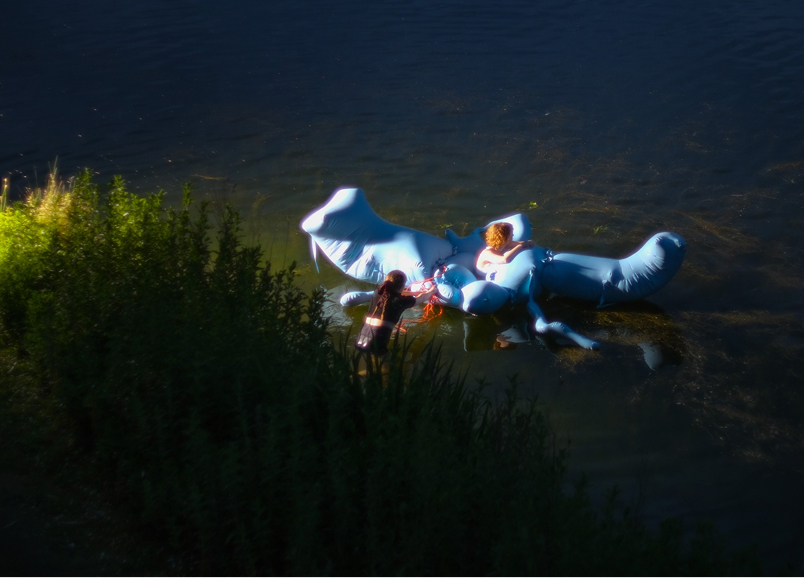
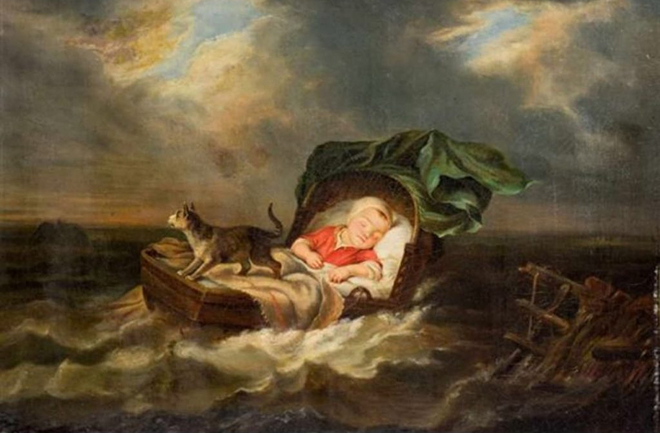
The paintings 'The miraculous rescue of a child during the St. Elizabeth's flood' by Johannes Hinderikus Egenberger ( created between 1837 and 1897), 'A Flood', by John Everett Millias
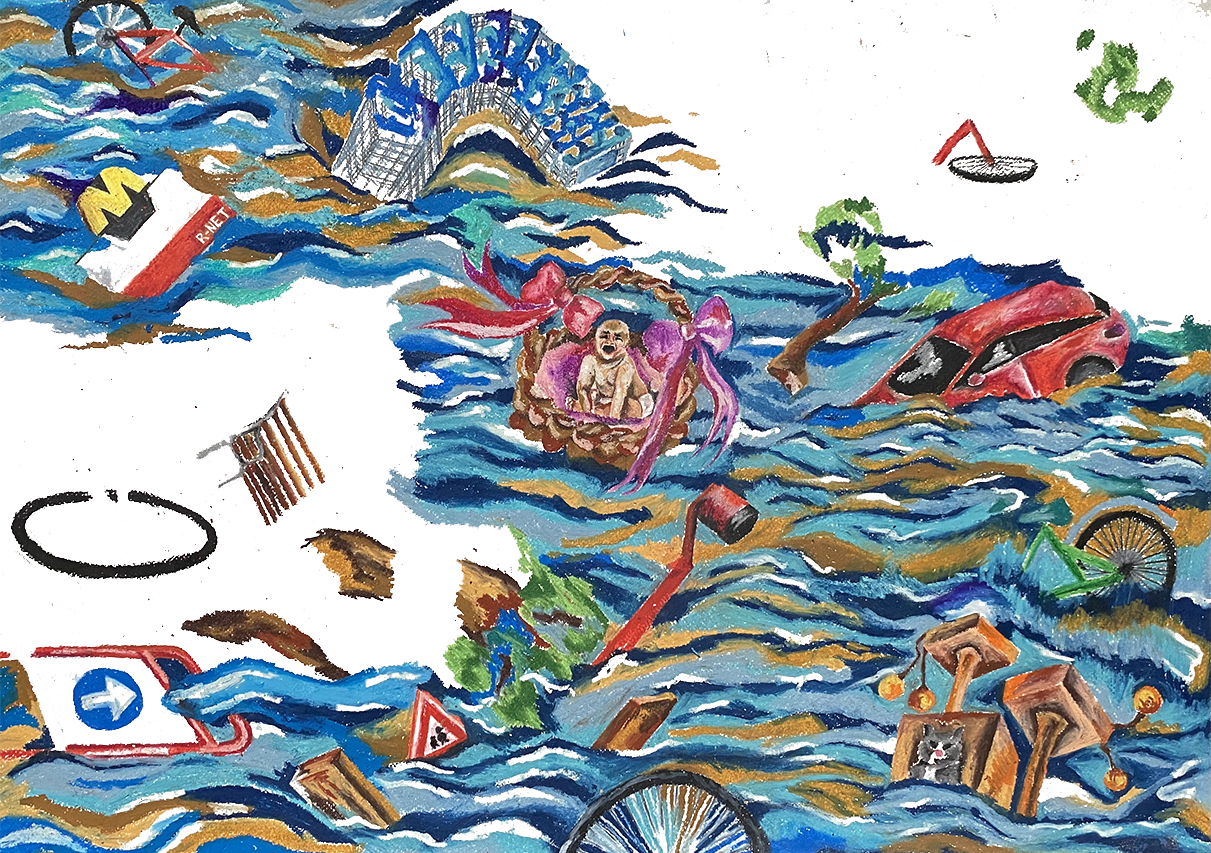
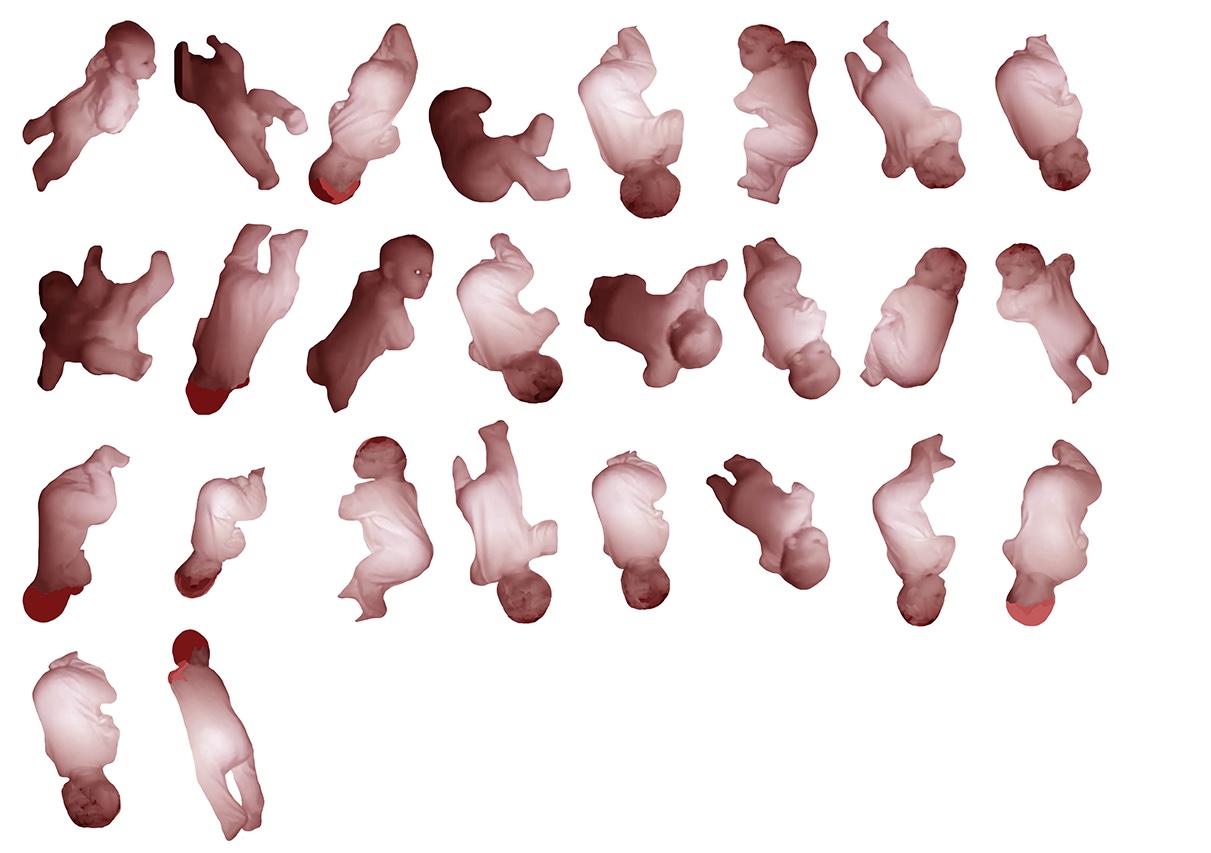
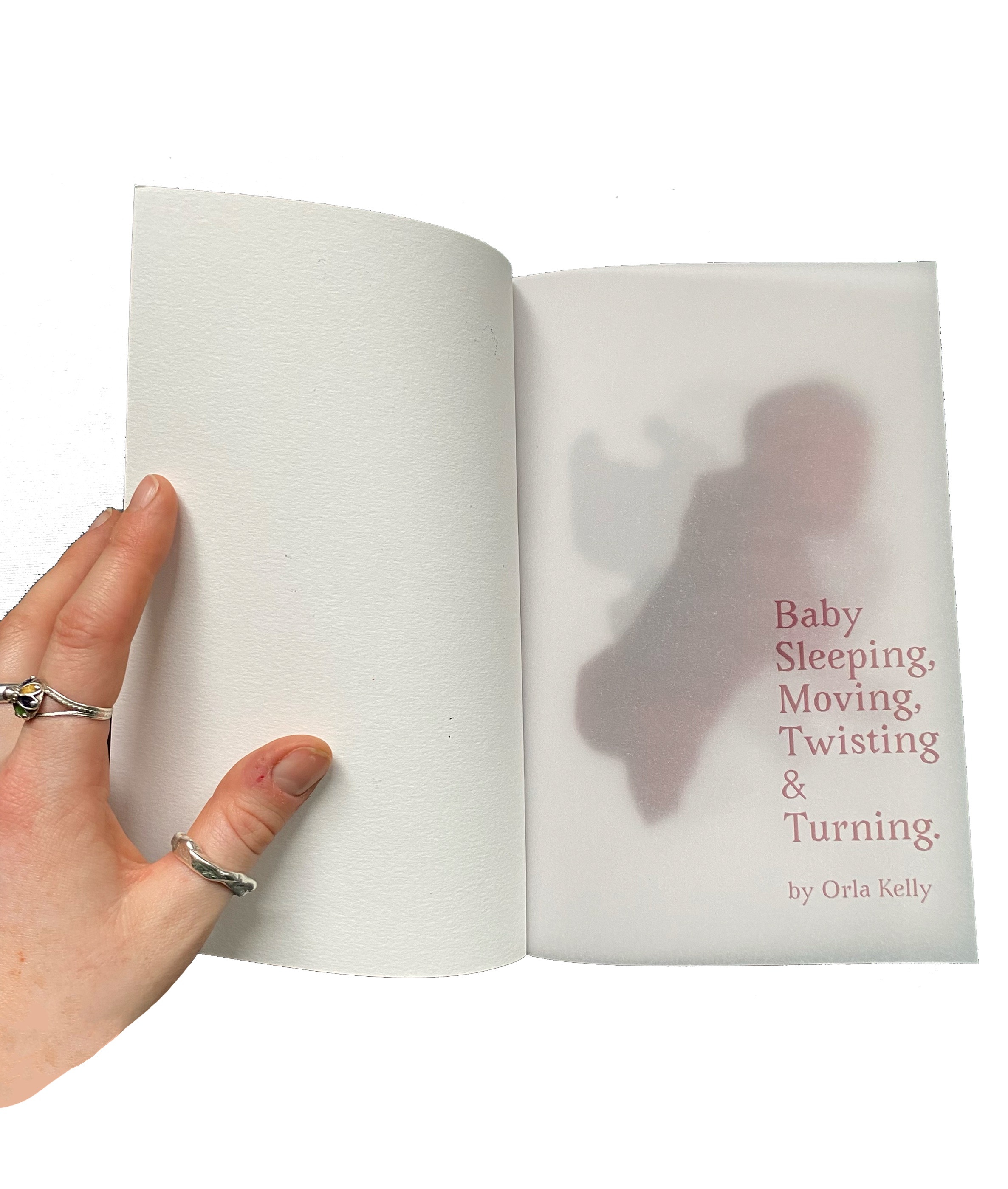
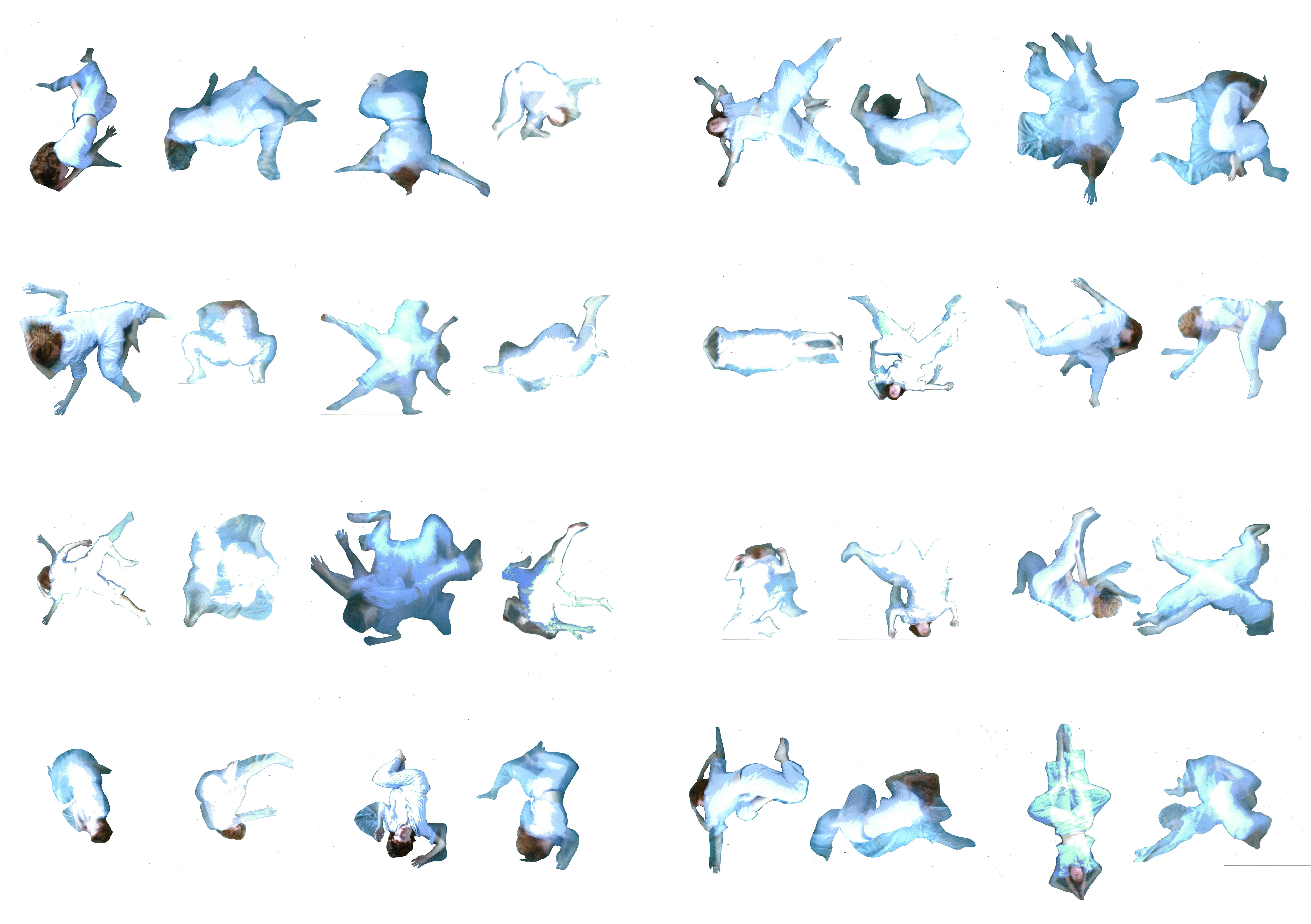
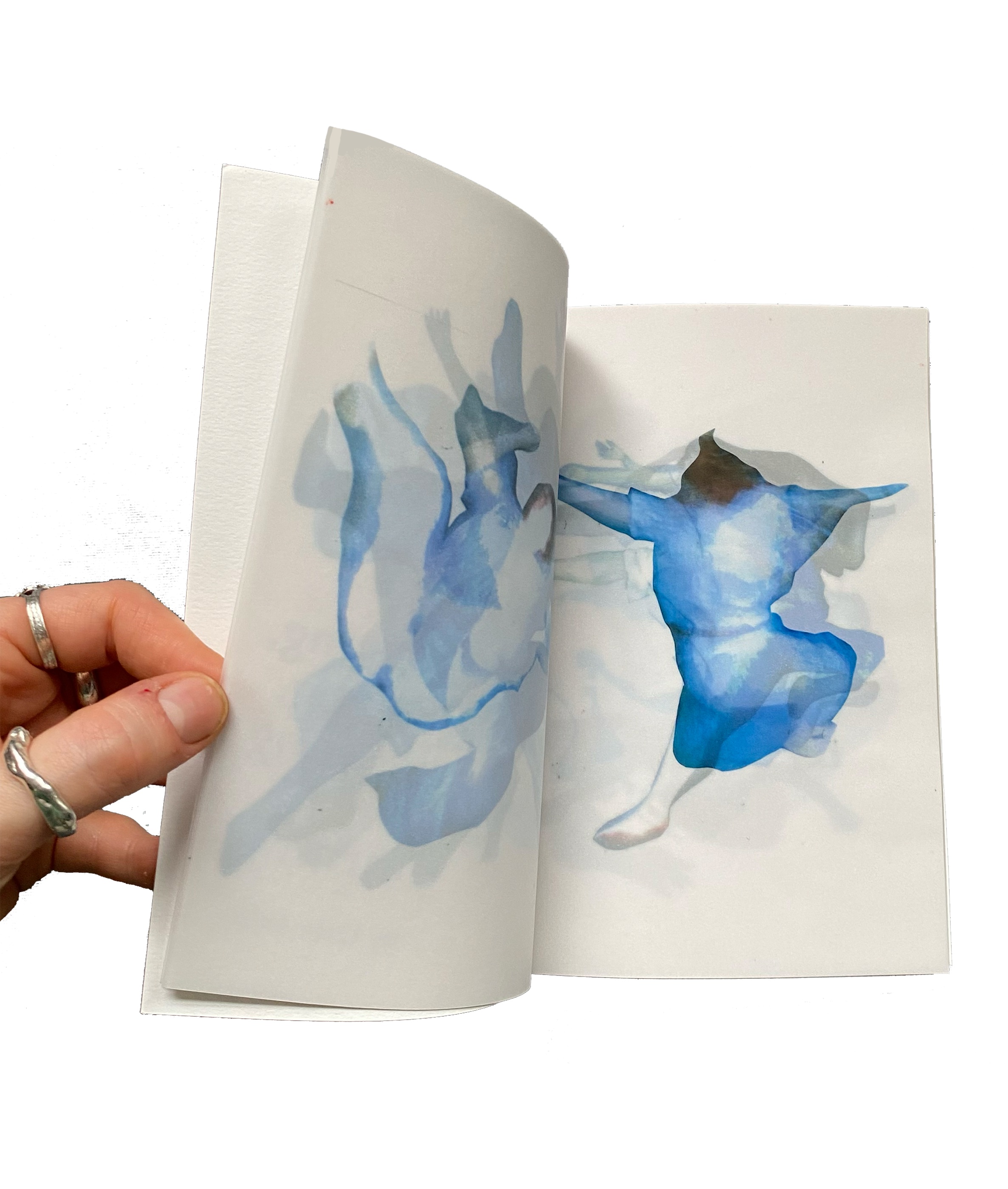
(created in 1870), and 'The Inundation of the Biesbosch' by Lawrence Alma Tadema (created in 1856) and many more painted depictions of Beatrix are stories of a past told with care and attention, immortalising and celebrating her, and putting the weight of the disaster on her shoulders. These paintings became combinations of trauma, myth, fear, and hope. Below was my own version of Beatrix, floating through a flood in the urban landscape of Rotterdam.
.jpg)

.jpg)
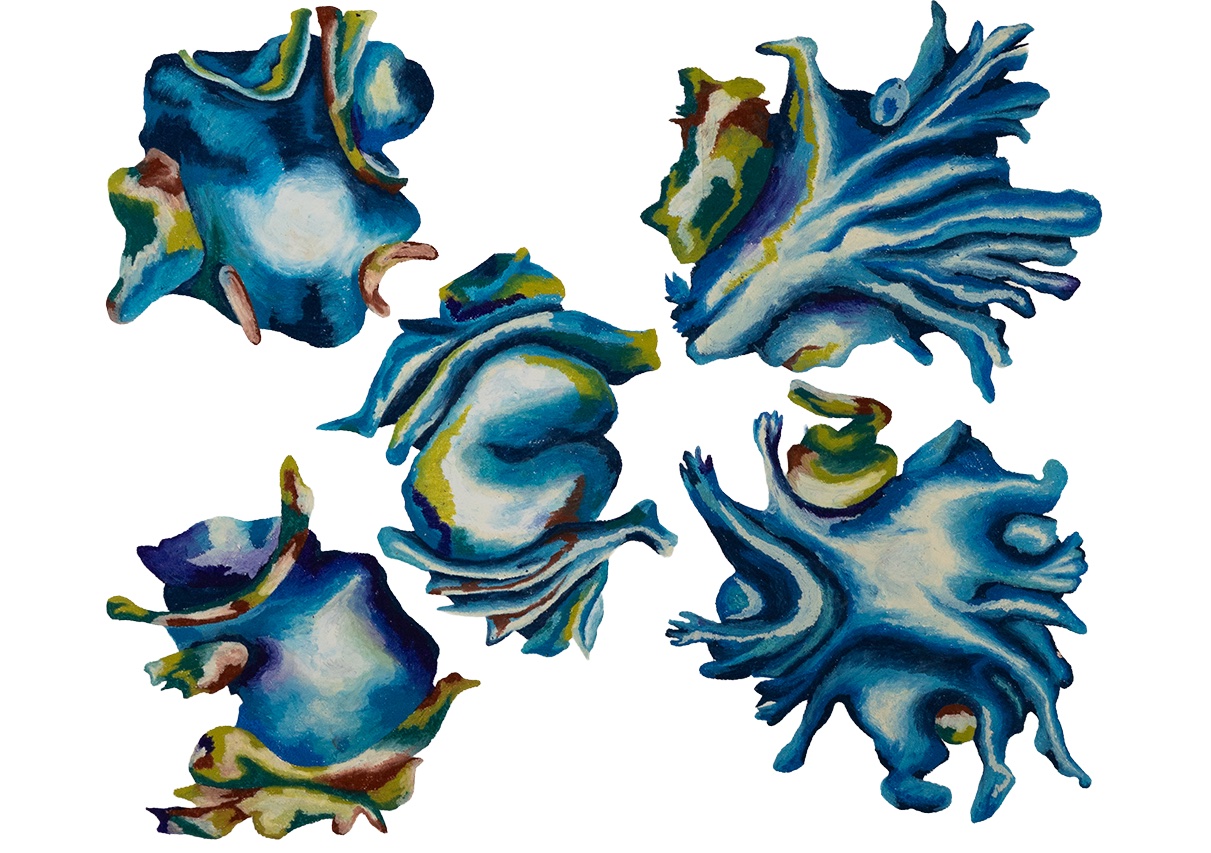

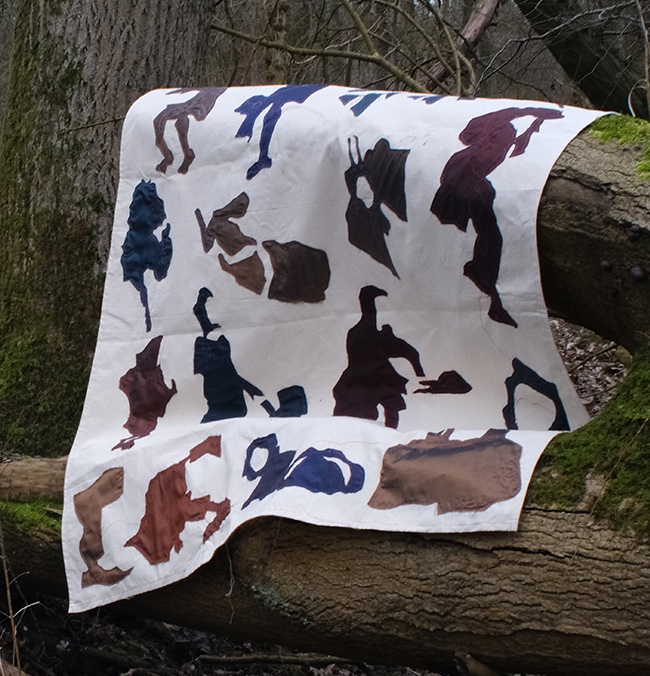

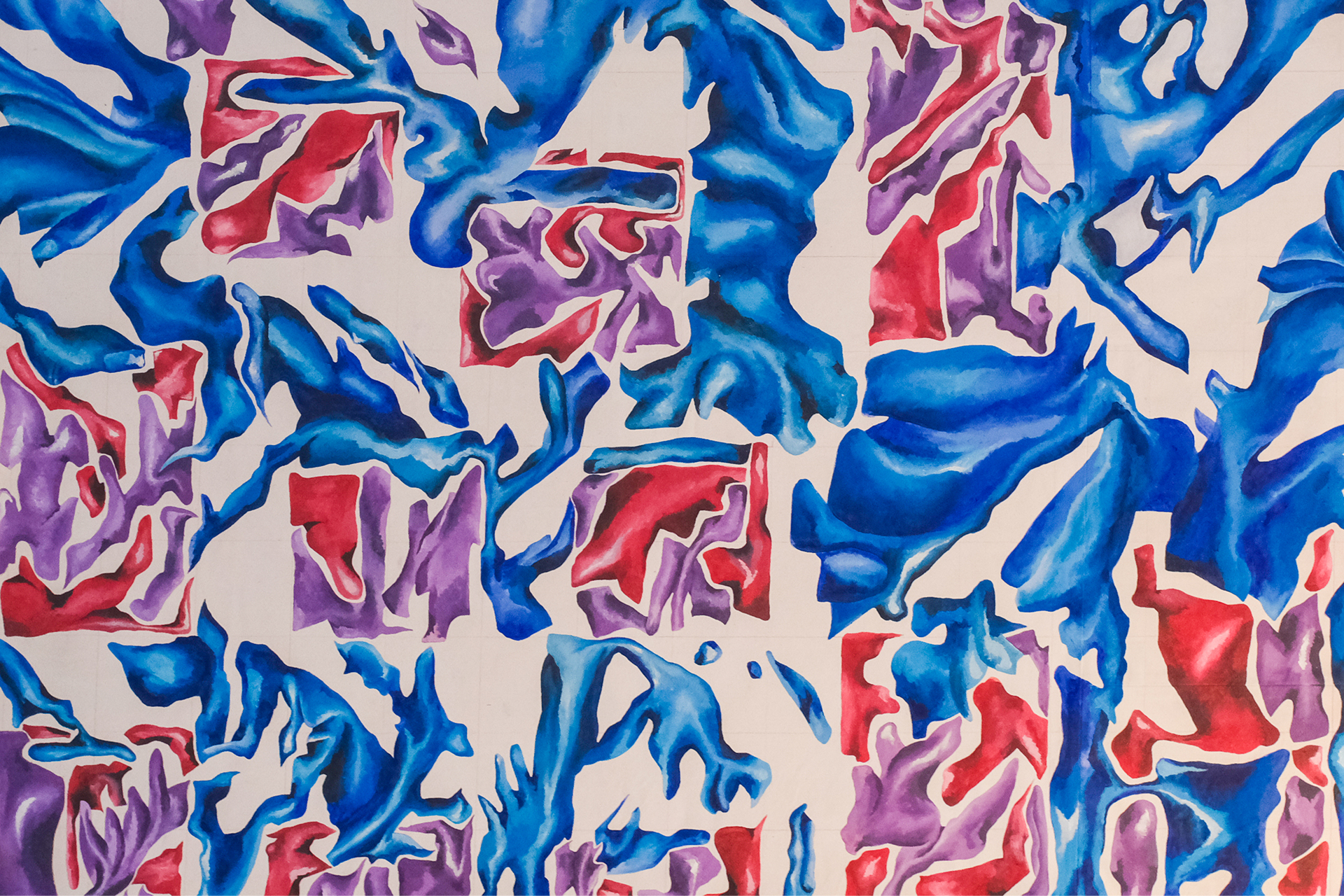

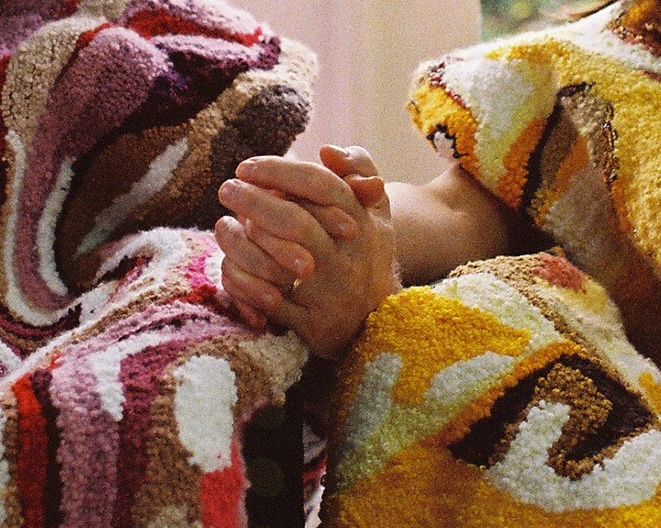
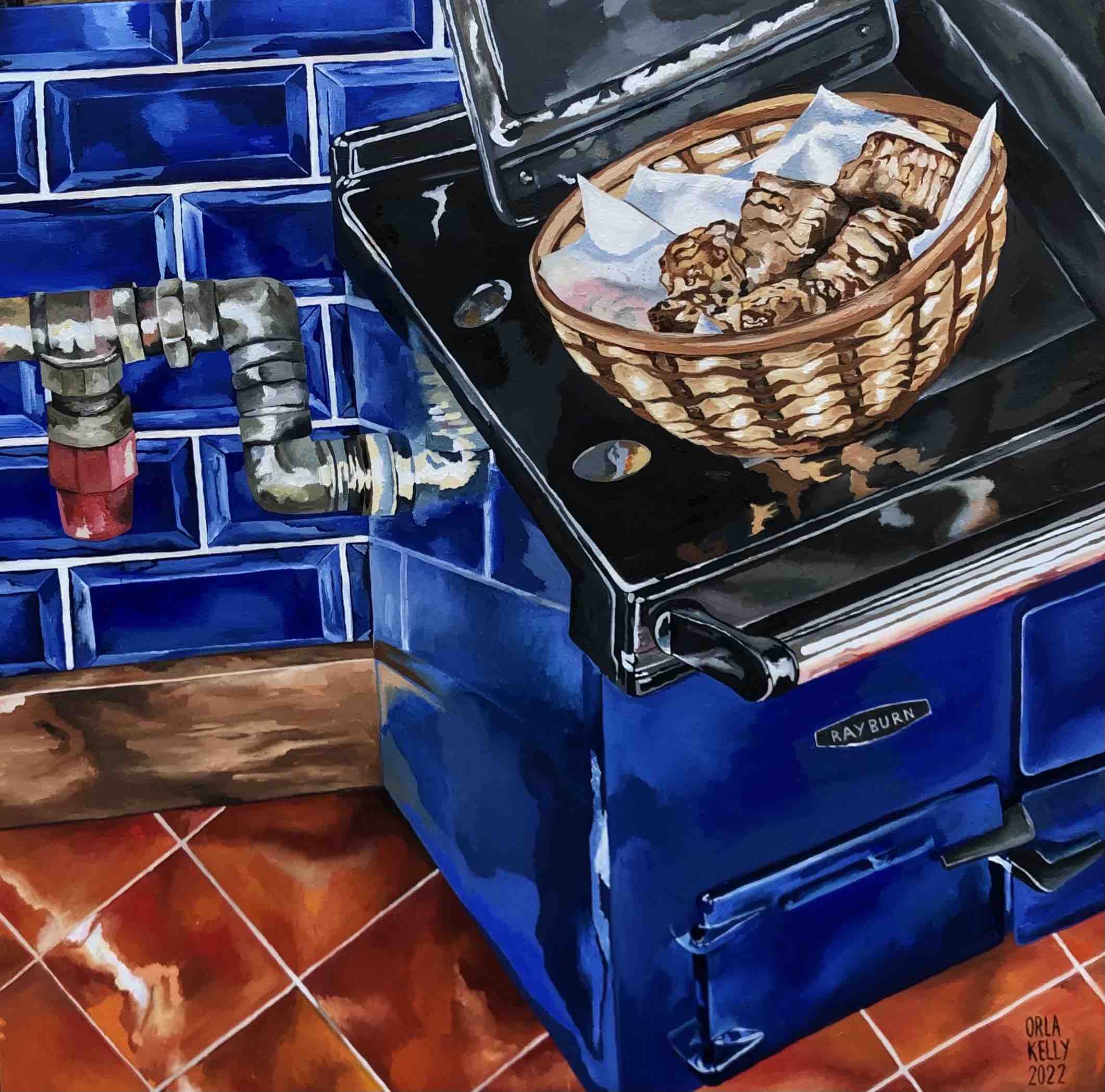

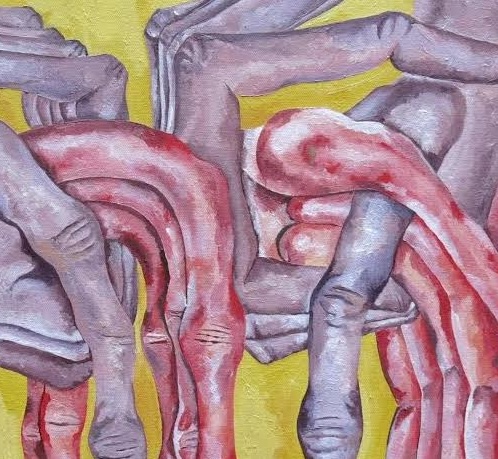
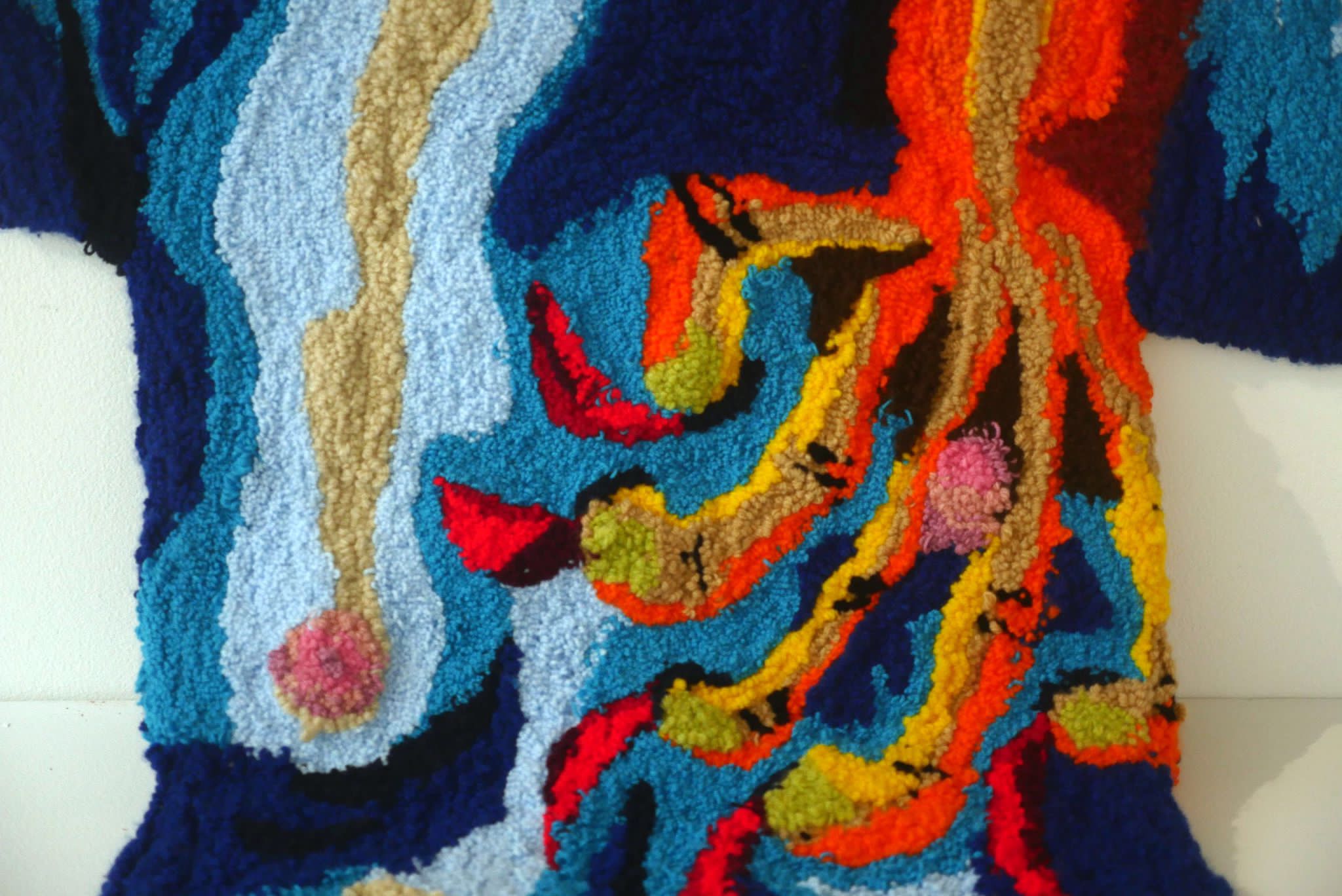
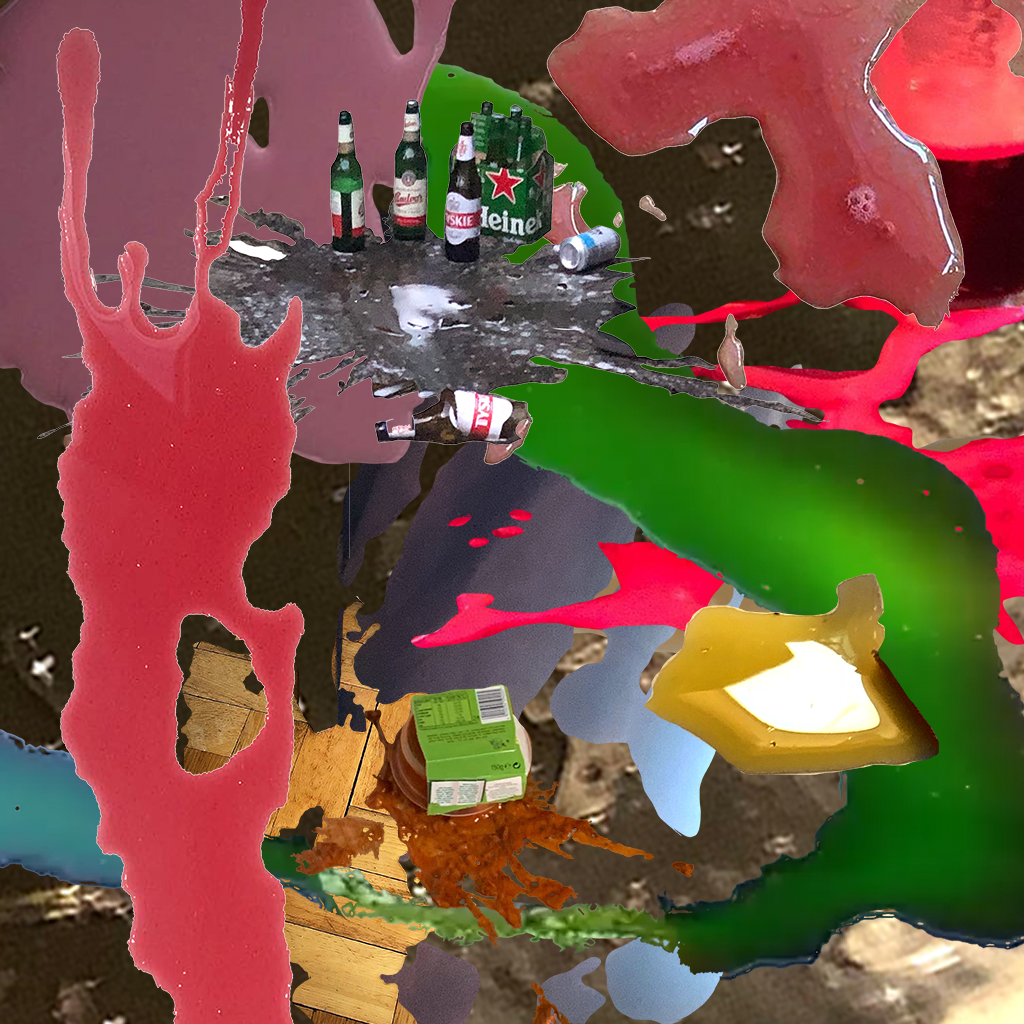
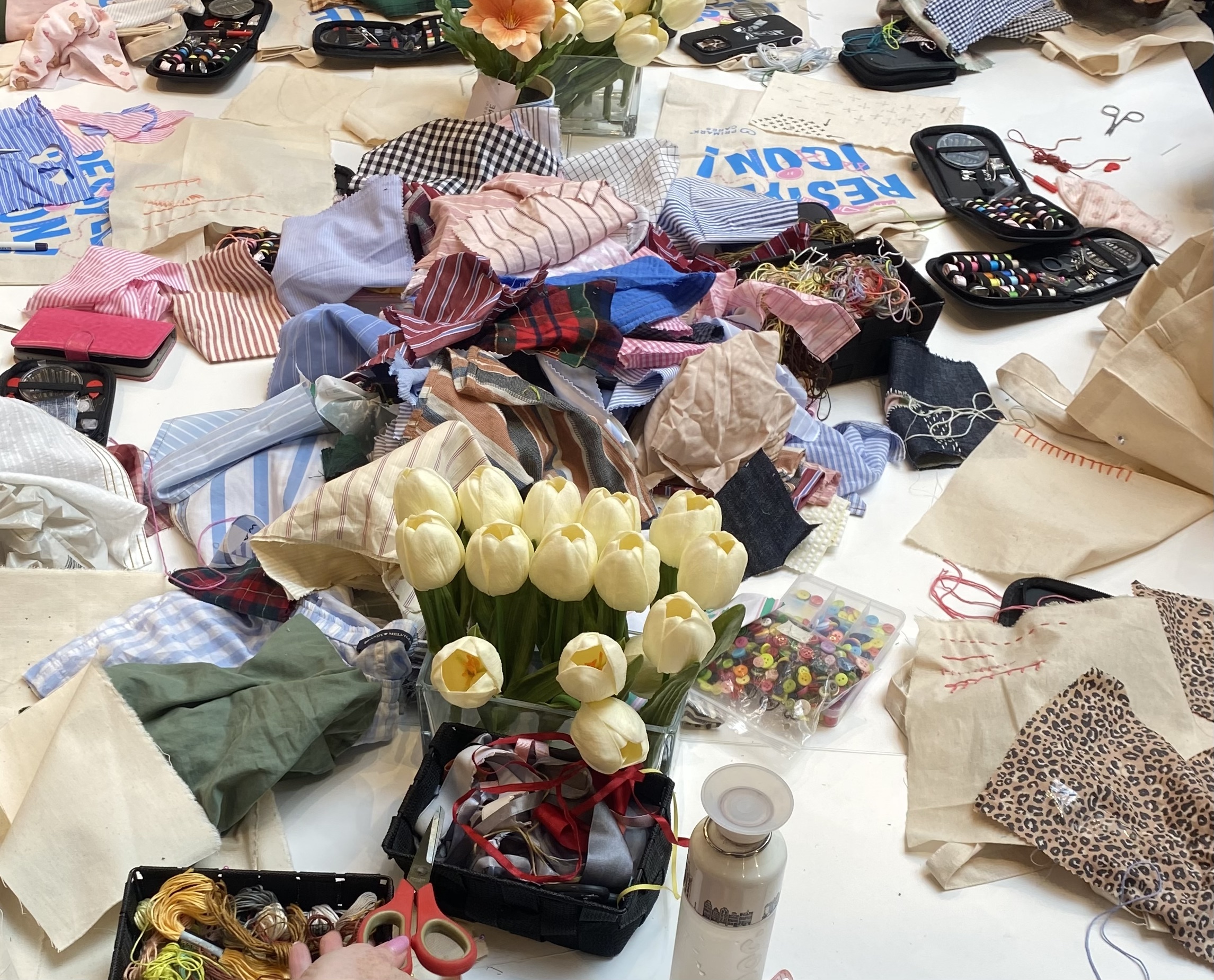
My practice moves between research, speculative storytelling, and material exploration. Working through drawing, moving image, sculpture, and primarily textile installations, I explore how histories of place, climate, and human intervention reverberate in the present and question dominant narratives of space and how we relate to shifting environments.
My research is both archival and field-based, collecting stories, images, and fragments that trace the layered realities of lived experience. These are combined with visual references ranging from early artworks to contemporary media, creating a vocabulary that merges cultural history with the present moment.
My work attempts to balance play and critique by taking images, abstracting, translating, and transforming them, and then using them to retell stories. I use colour, texture, and pattern as tools to translate into visual form, developing abstract languages that give shape to forces often felt but not easily seen. Alongside my studio practice, I facilitate a variety of textile based workshops in Ireland and the Netherlands as a means of exchange and community connection.